
How to Reduce Salon No Shows Without Losing Clients
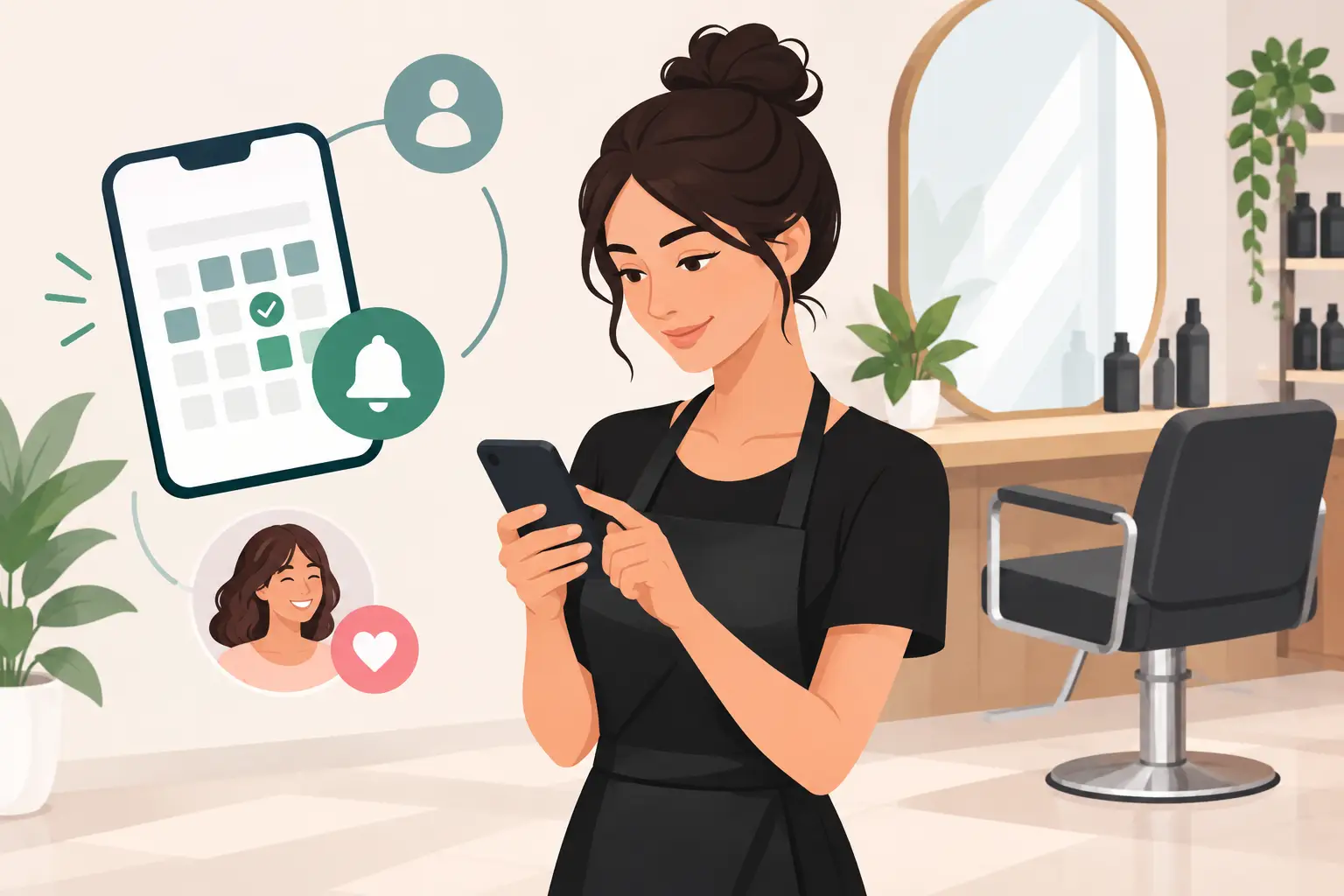
An empty chair at 2:00 p.m. is not just a missed appointment. It is lost service revenue, a stylist or esthetician left waiting, and a gap that may be impossible to refill that day. Learning how to reduce salon no shows starts with treating attendance as part of the client experience and your daily operating process, not as a front-desk problem to solve after the fact.
The goal is not to make booking feel difficult or punish clients for an occasional emergency. It is to set clear expectations, make appointments easy to manage, and protect the time your team has reserved for each client.
Why salon no shows keep happening
Most no-shows are not caused by one thing. A client may book weeks ahead and simply forget. They may not understand that a long color service blocks several hours of a provider's schedule. Or they may need to cancel but find it easier to do nothing than to call during business hours.
Operational gaps can make the problem worse. If reminders are sent inconsistently, policies are buried in fine print, and staff track client history in separate systems, the salon has little ability to act before an appointment becomes a loss.
Start by reviewing your no-shows by service, day, booking source, staff member, and client type. A pattern matters more than an overall percentage. If Saturday appointments or first-time online bookings have a higher no-show rate, your response should focus there rather than adding friction for every regular client.
Build a cancellation policy clients can understand
A policy only works when clients see it before they book and understand what will happen if they cancel late or do not arrive. Use plain language. State the required notice period, the fee or deposit terms, and how clients can reschedule.
For example, a salon might require 24 hours' notice for standard appointments and 48 hours for services that reserve extended chair time. The right window depends on your schedule and whether you can realistically fill openings. A 72-hour policy may be appropriate for a high-value transformation service, but it can feel excessive for a quick trim.
Place the policy at the point of booking, in confirmation messages, and in reminders. Do not rely on a single checkbox or assume the front desk will explain it every time. Consistency protects staff from having to negotiate the rule appointment by appointment.
There should also be room for judgment. A long-time client with a genuine emergency is different from someone who repeatedly ignores reminders. A good policy gives managers a framework while allowing them to preserve valuable client relationships.
Use deposits and card holds for the right appointments
Deposits are one of the most effective ways to reduce salon no shows, especially for services that consume significant time, require preparation, or have limited availability. When a client has a financial commitment, they are more likely to cancel in time or reschedule instead of disappearing.
You do not need to require the same deposit for every service. Many salons use a small fixed deposit for new clients, a percentage deposit for high-ticket services, and a card on file for clients with a history of late cancellations. This approach protects revenue without putting unnecessary barriers in front of trusted regulars.
Be specific about how deposits work. Explain whether the amount is applied to the service, transferred to a rescheduled appointment, or forfeited after a late cancellation. Ambiguity creates disputes and can make a reasonable policy seem unfair.
Payment handling should be connected to the booking workflow. If the team has to chase deposits through text messages or manually match payments to appointments, the process will fail during a busy week.
Send reminders that make action easy
A confirmation message is not enough. Clients should receive an immediate confirmation when they book, followed by reminders at useful intervals. For many salons, one reminder 48 hours before an appointment and another on the day before or day of service works well.
The timing should match the cancellation policy. If clients need 24 hours' notice, the first reminder must arrive early enough for them to act without being charged. Include the appointment date, time, location, provider, service, and a clear option to confirm, reschedule, or cancel.
The message should remove effort, not create it. “Reply C to confirm” may work for some clients, while a branded booking page that lets them manage the appointment may work better for others. What matters is that the client can take the next step quickly from their phone.
Keep the tone professional and helpful. A reminder that sounds threatening can damage the relationship before the client even walks in. Lead with the appointment details and convenience, then restate the policy briefly.
Make online booking accurate from the start
Many scheduling problems begin with an unclear service menu. If clients do not know which service to choose, how long it takes, or what it costs, they may book the wrong option and abandon the appointment later.
Use clear service descriptions, realistic durations, and transparent starting prices where appropriate. Add consultation requirements for complex services, and ask for the information your team needs before confirming a major change. A client booking a color correction should not be able to select a basic single-process color appointment with no context.
Your availability rules matter too. Set buffers where they are operationally necessary, avoid offering appointment slots that staff cannot properly support, and close online booking far enough ahead when preparation is required. An organized booking page builds confidence and reduces the uncertainty that leads clients to back out.
Use client records to respond to behavior, not guesswork
A client record should show more than contact details. It should help your team see appointment history, late cancellations, no-shows, preferred services, notes, payment status, and past communication.
This gives you a practical way to apply policies fairly. A first-time client who misses an appointment may need a courteous follow-up and a deposit for their next booking. A repeat offender may need to prepay or lose access to premium time slots. A loyal client with years of reliable attendance may deserve more flexibility.
Centralized CRM activity also prevents mixed messages. If one staff member has already waived a fee or spoken with the client, everyone else can see that context. The salon presents one professional standard instead of a different answer depending on who picks up the phone.
Create a fast process for filling cancellations
Even a strong prevention system will not eliminate every cancellation. Your recovery process determines how much revenue you save.
Maintain a waitlist of clients who want earlier openings, specific providers, or popular weekend slots. When an appointment opens, notify the most relevant clients first. A broad last-minute message can work, but targeted outreach is usually more effective and less disruptive.
Give your team clear ownership. Decide who releases an opening, who contacts the waitlist, and how long a tentative hold lasts. Without a process, empty time can sit on the calendar while staff assume someone else is handling it.
This is where an all-in-one platform such as CleverBooking can make a measurable difference. When appointments, client records, payments, campaigns, and staff schedules live in one dashboard, the team can act on a cancellation without switching between calendars, contact lists, and payment tools.
Train the team to enforce the policy consistently
A policy can fail when staff feel uncomfortable applying it. Give front-desk employees and service providers approved language for common situations: a client who says they never saw the policy, a late cancellation due to illness, or a request to waive a fee after repeated missed appointments.
The conversation should be calm and factual. Explain what was reserved, what the policy requires, and the available next step. For example: “We understand plans change. Because this appointment was canceled within 24 hours, the late cancellation fee applies. We can help you find a new time once the fee is processed.”
Avoid making exceptions on the spot without recording them. If managers choose to waive a fee, note why. That protects the relationship while preserving a clear history for future decisions.
Measure whether your changes are working
Track your no-show rate monthly, but connect it to dollars and capacity. Look at lost revenue, late-cancellation fees collected, recovered appointments, and the number of openings filled from the waitlist. These figures show whether a policy is improving operations or simply creating more client complaints.
Test one change at a time where possible. You might add a 48-hour reminder for new clients, then compare their attendance over the next eight weeks. Or require deposits only for services longer than two hours before expanding the rule. Small, measured changes are easier to explain to staff and clients.
The best no-show strategy is one clients can follow and your team can run consistently on its busiest day. When booking, reminders, client history, payments, and follow-up work together, an open chair becomes the exception rather than an accepted cost of doing business.